Engagement tools to transform food systems

Food system transformation requires radical changes, new governance models, bold innovations toward regenerative, resilient and plant-based food production, and sustained engagement from citizens and other stakeholders. As food systems intersect with many parts of society and the economy, involving a wide range of voices is essential for a democratic and sustainable path forward.
This toolkit is designed for those working in transformative spaces such as policy labs, food councils, and living labs, where stakeholder engagement is key. The tools range from guidelines that can help co-create new project, to ideas and props that can be used during stakeholder engagement events. They have been developed, tested and refined over time by researchers and practitioners involved in such endeavours.

The five objectives of stakeholder engagement
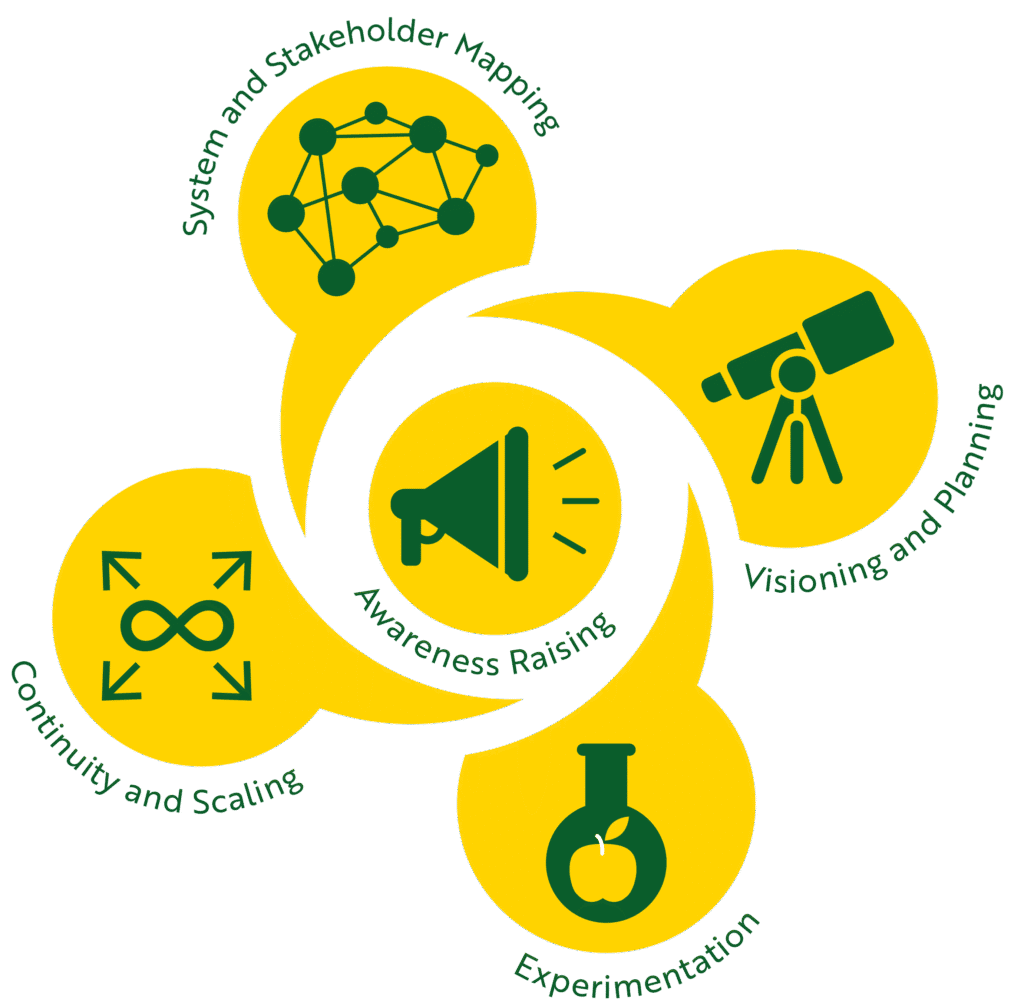
Most offered tools are connected to one or more of the five key objectives of stakeholder engagement: ‘systems and stakeholder mapping’, ‘visioning and planning’, ‘experimentation’, ‘continuity and scaling’, and ‘awareness raising’.
Depending on the goals and developmental stage of your initiative, one or more of these objectives might resonate with you. However, since transformation is typically an iterative process, you may find yourself revisiting these objectives multiple times throughout the journey.

System and stakeholder mapping
By utilizing System and Stakeholder Mapping tools, you can gather essential information about the local context, pinpoint key challenges and knowledge gaps, map relevant research agendas, programs and regulations, and ensure the inclusion of diverse stakeholder perspectives in the analysis. These tools help create a thorough understanding of the current system as a foundation for transformative initiatives.
Visioning and planning
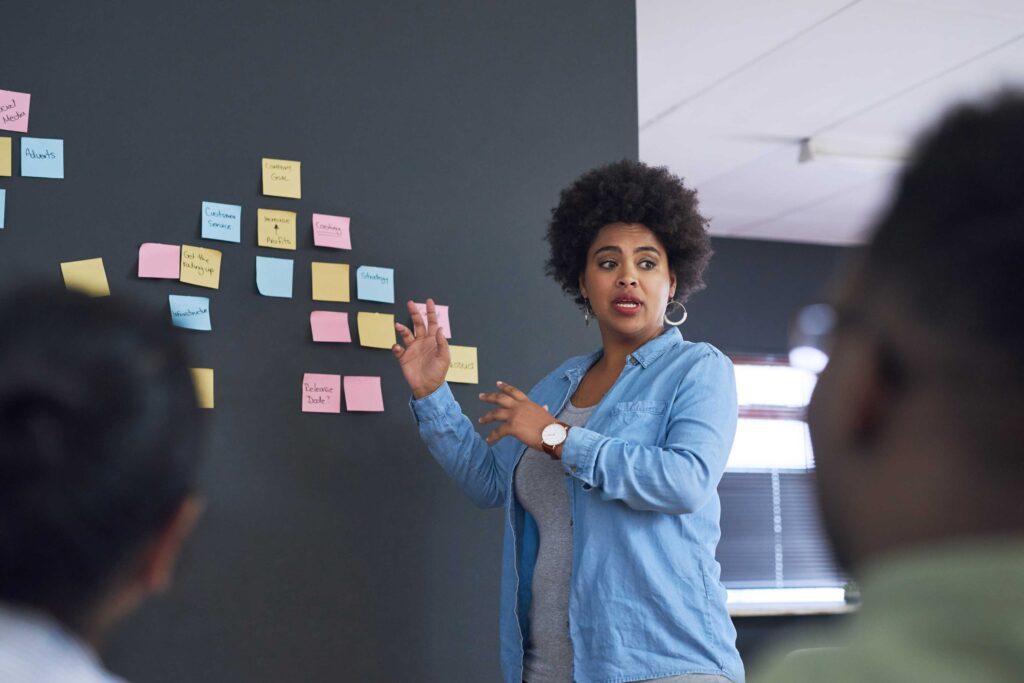
Visioning and Planning tools guide you in collaborating with stakeholders to develop a collective vision for food system change. These tools help facilitate dialogue, identify shared goals and build consensus on actionable strategies, ensuring that all voices are heard and that efforts are coordinated towards achieving sustainable outcomes.

Experimentation
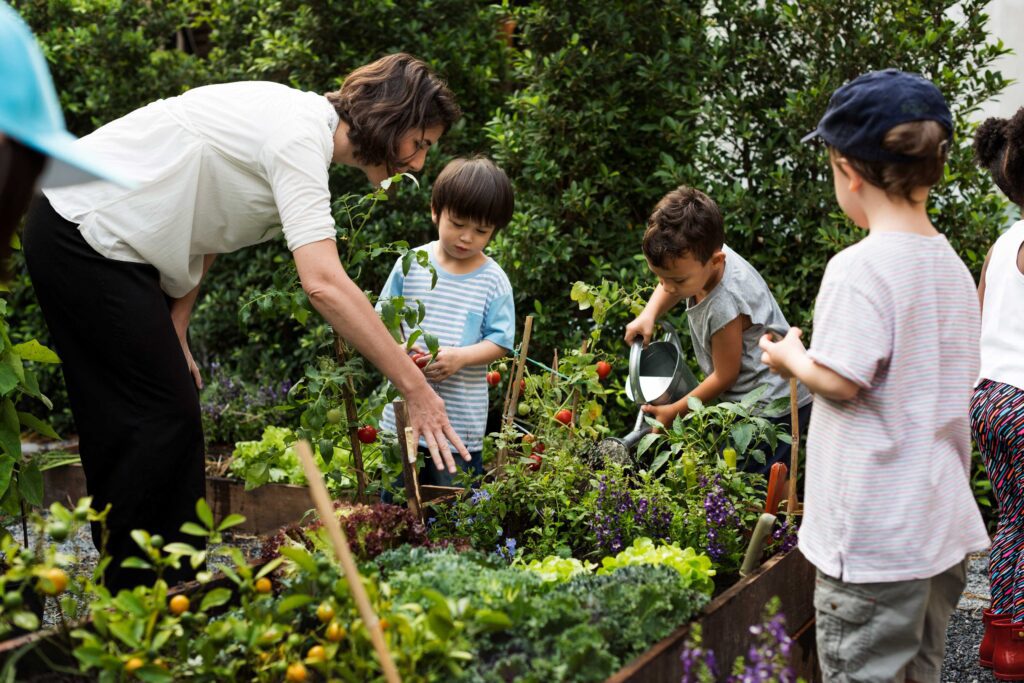
Experimentation tools provide methods for co-creating, prototyping, and testing innovative solutions in real-world contexts, allowing you to refine ideas and approaches before broader implementation. These tools help engage different groups in hands-on trials, monitoring and assessing progress and outcomes, feedback sessions and iterative development, ensuring that new approaches are practical, inclusive and impactful.
Continuity and scaling
Continuity and Scaling tools provide strategies to develop sustainability plans, identify resources, and create frameworks for expanding successful projects while maintaining their impact. These tools offer methods to evaluate the adaptability of initiatives, and to customize and scale successful models across diverse environments and communities. These tools are particularly useful when planning for uncertainties and developing strategies to ensure that initiatives can adapt and endure over time through robust design and stakeholder engagement.

Awareness raising
The toolkit offers methods and activities to mobilize communities, encouraging active involvement and collaboration in sustainable food initiatives. Awareness Raising tools provide guidance on crafting engaging messages and activities that resonate with different stakeholder groups, fostering understanding and support.
Frequently Asked Questions
What is food system transformation?
Food system transformation entails wide ranging and radical changes to the existing food systems. These include implementation of transformative food system governance models, supporting radical innovation towards more regenerative, resilient, and plant-based food production and consumption, and enabling a broad and sustained engagement of citizens and other stakeholders in the food system.
Why public engagement and multi-stakeholder collaboration?
Food systems intersect with various aspects of our society and economy, involving a wide array of actors in their functioning and development. Transforming such intricate systems requires active involvement and collaboration from these stakeholders. Thus, advancing public engagement and multi-stakeholder cooperation in the transformation process becomes essential in order to uphold a democratic process, benefit from diverse expertise and viewpoints, and ensure tenable outcomes.
Who is this toolkit for?
With a focus on public engagement and stakeholder collaboration, this toolkit gathers relevant tools for engagement in food system transformation and makes them available in user-friendly formats. The tools within this toolkit are curated to support the processes within various living labs, policy labs, food policy councils, and other similar organisations; in other words – transformative spaces, which attempt to engage stakeholders as a part of food system transformation. The tools offered are diverse in format and can, in some cases, be adjusted to specific contexts.
What are the different levels of engagement?
Engagement in transformative activities can range from providing information to people in an engaging manner, but where the participants don’t have a say. The next step up the ladder involves gathering input from the participants on the problems, challenges, ideas, preferences, etc. (consultation). Participants are given ‘a voice’, but are not enabled to influence decision making directly. The most engaging types of exercises involve co-creation, a process where the participants are partners in the transformation design, implementation and evaluation. They have a seat at the table where decisions are made and can influence those decisions. Different engagement levels relate to different types of tools.
How to use this toolkit?
As you can see below, the public engagement and stakeholder collaboration tools around the process of food system transformation are broken down into five distinct objectives. By clicking on each objective, you can find various curated tools for each objective. If you’re not sure how to how to find tools that are most relevant to your work, this section might be a good starting point. Via the ‘explore all tools’ option, you can find tools based on various filters (target group, tool format etc.). In order to offer additional context, most tools are connected with case stories from organisations making use of them.