From 2 to 4 December, policymakers, researchers, decision-makers, and representatives of European projects gathered in Copenhagen to chart a shared path toward a sustainable food future
More than 150 representatives from 3 networks, 130 projects and 90 living labs convened in the Danish capital for the FOOD2030 Networks Conference, organised by the CLEVERFOOD project and the University of Copenhagen. Taking place alongside the official Bioeconomy Event 2025 of the Danish EU Presidency, the FOOD2030 Networks Conference brought together Europe’s research, innovation and living lab communities to strengthen collaboration and accelerate the transition towards sustainable food systems.
Through workshops, poster sessions, and focused discussions, here are a few glimpses of what emerged.
2 December
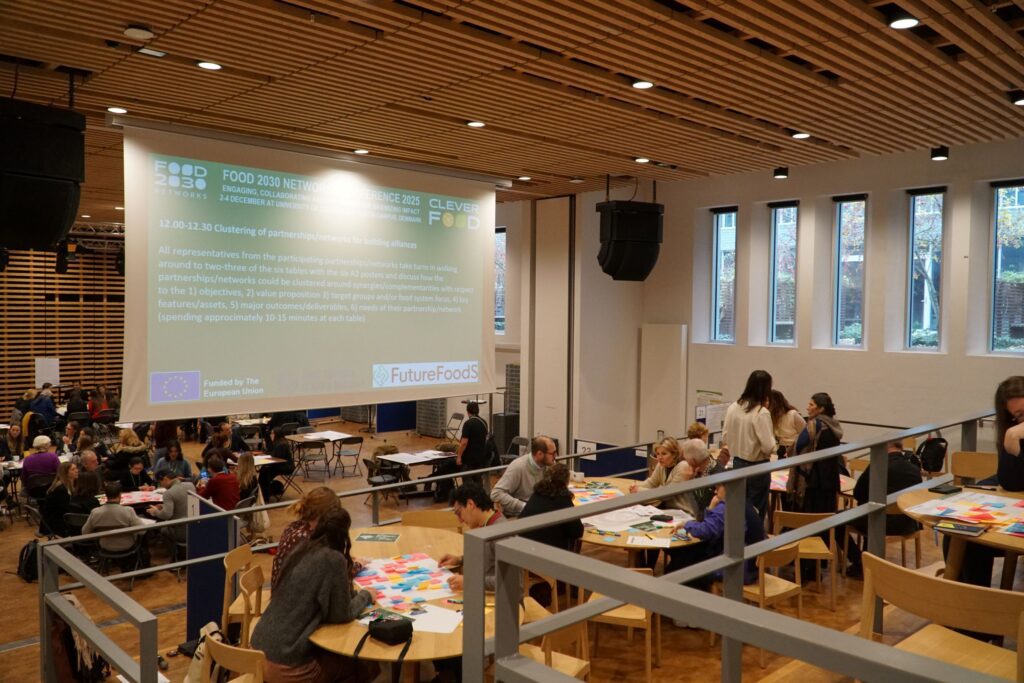
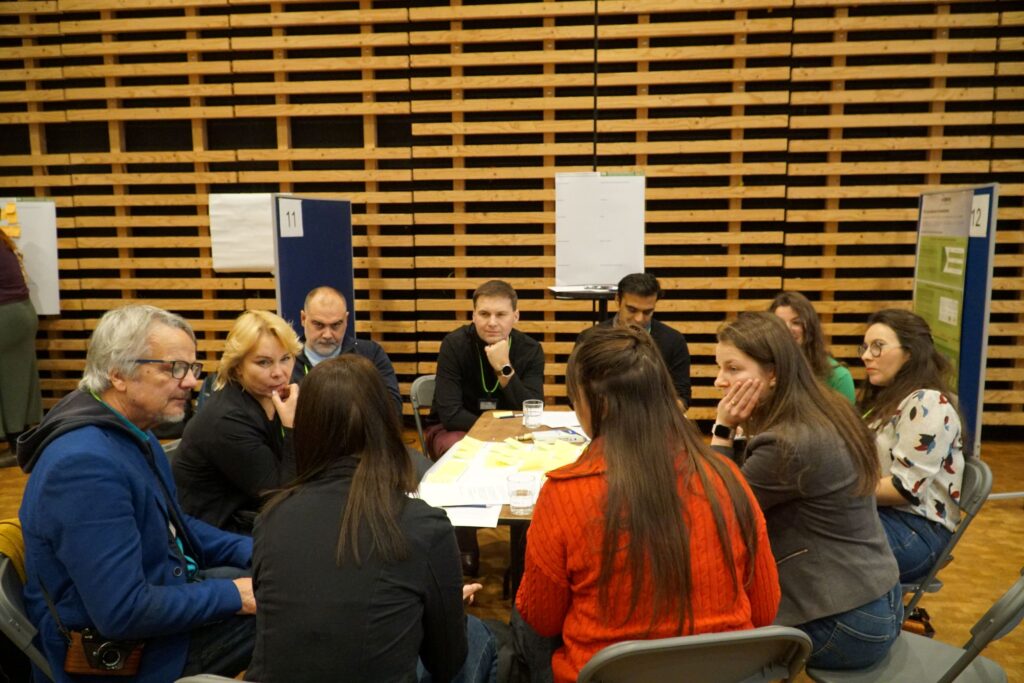
The first day of the Conference started with a first session of parallel workshops including an in-person training on public engagement for living labs, and the workshop “Building an ecosystem of networks and partnerships to maximize impact”, facilitated by CLEVERFOOD, FoSSNet and FutureFoodS.
Finally, the workshop “Cultivating synergies through collaboration on joint actions and dissemination”, co-organised by ICONS, EUFIC and the University of Copenhagen, piloted AI-assisted matchmaking to explore collaboration opportunities across projects, living labs and other initiatives in the FOOD2030 Networks, mapping synergies and complementarities across objectives, value propositions, target groups, key assets, outcomes and needs.
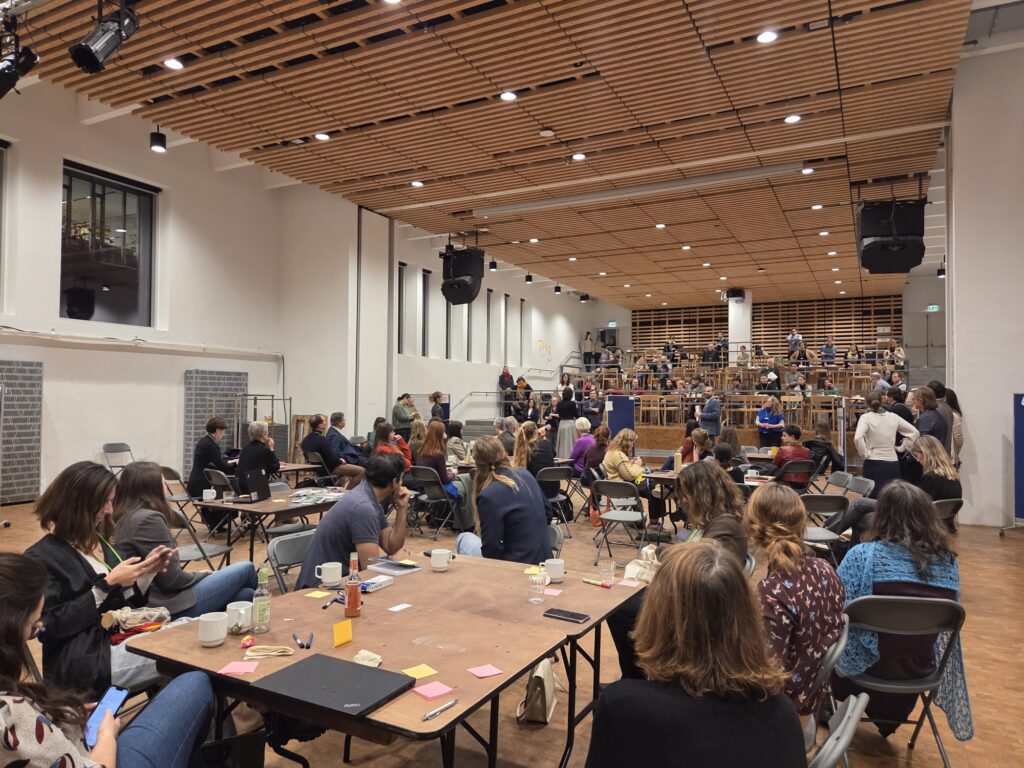
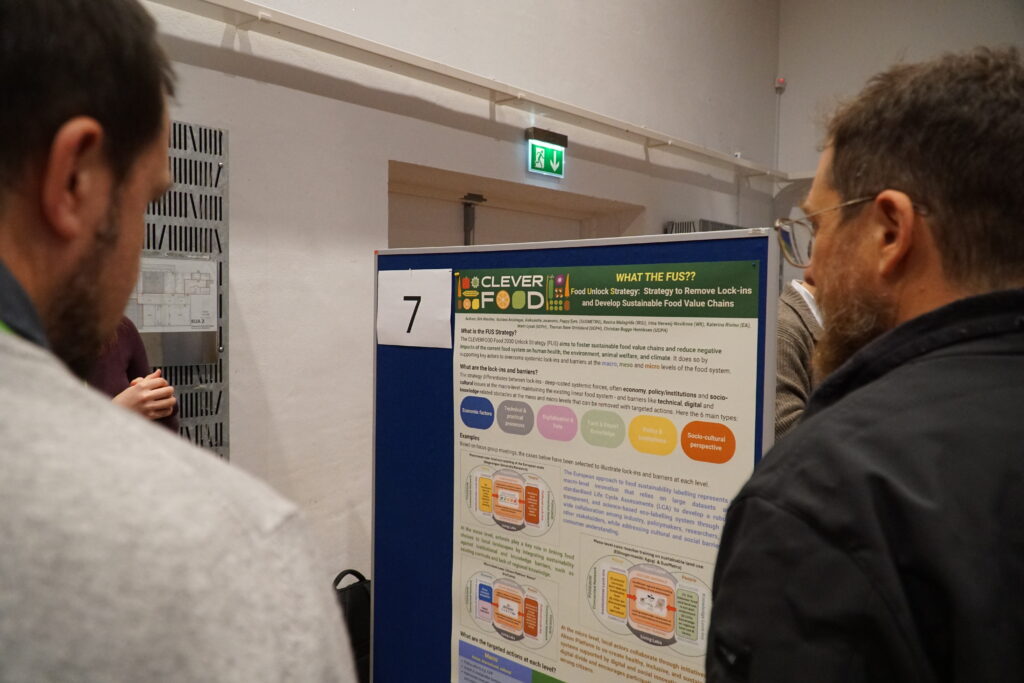
This first round of parallel workshops was followed by a poster session, designed to promote cooperation and capacity-building across Europe’s community of stakeholders working to reshape the agri-food sector. Among the posters on display was SusMetro’s contribution on the FOOD2030 Unlock Strategy (FUS), that had been launched earlier this year. The poster illustrates the multi-level approach (micro/local – meso/regional – macro/national-European) with three examples from each level, making concrete proposals for support actions and involved actors.
The event proceeded with a second round of parallel workshops which included a Living Lab Workshop offering continued hands-on training in public engagement and a Networks & Partnerships Workshop aimed at facilitating integration across emerging and established networks.
Beinfluence also organised a workshop with changemakers — influencers who play a crucial role in making sustainable food topics accessible to broader audiences.
3 December
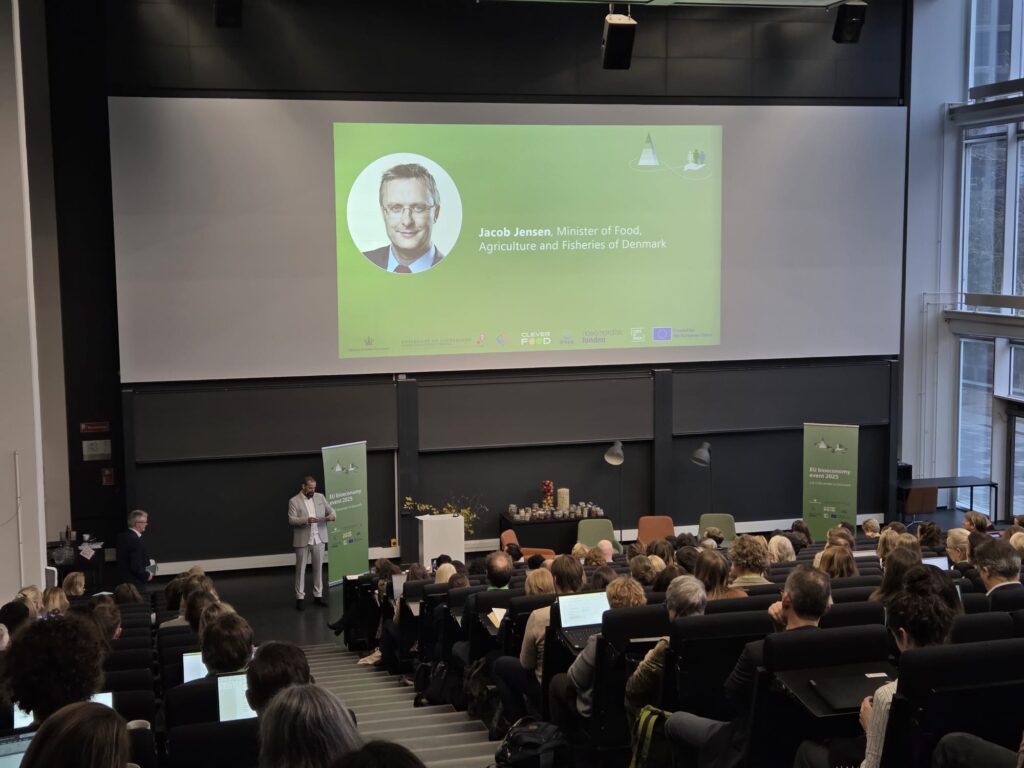
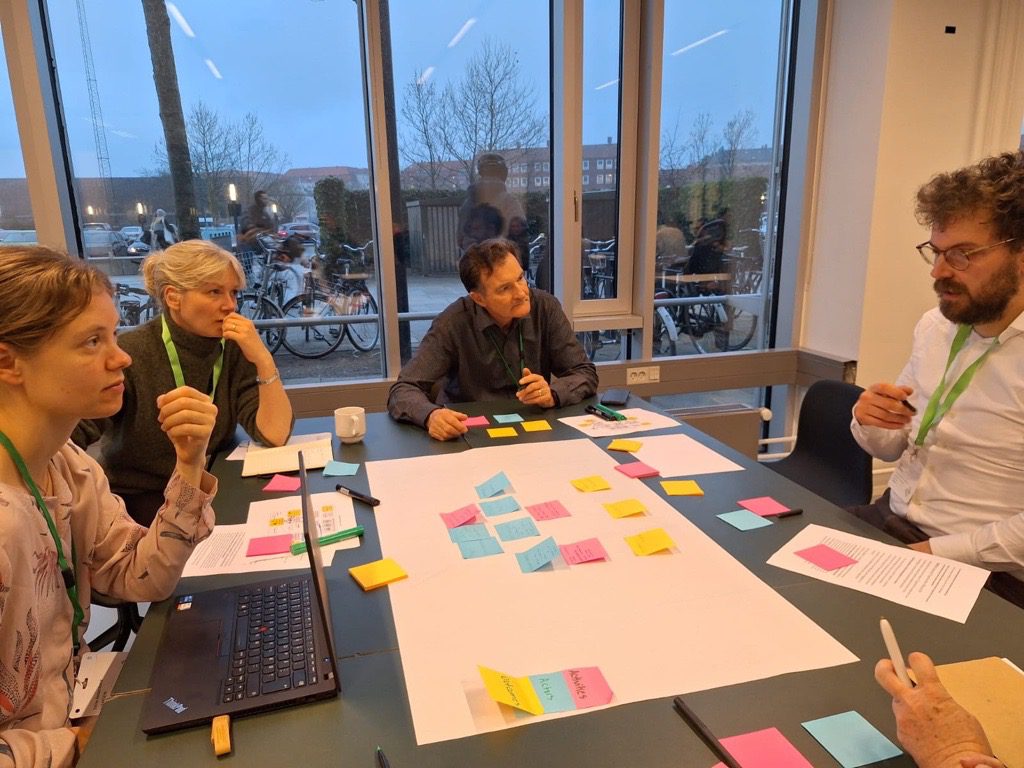
The Transformative Governance for Food Systems and Biodiversity Conference, organised by the University of Copenhagen, CLEVERFOOD, IPBES Denmark, and the Danish Ministry of Green Transition, unfolded through ten workshops.
These workshops explored how to accelerate a fair and sustainable transformation of Europe’s food and agricultural systems by integrating evidence-based policymaking, better coordination across governance levels and innovative financing. Discussions focused on practical ways to strengthen food security while protecting biodiversity, redesign food environments, foster collaborative innovation and support new business models that enhance soil health and ecological resilience.
Meanwhile, in a dedicated media zone, Beinfluence interviewed changemakers, true knowledge brokers within society and the food system.
4 December
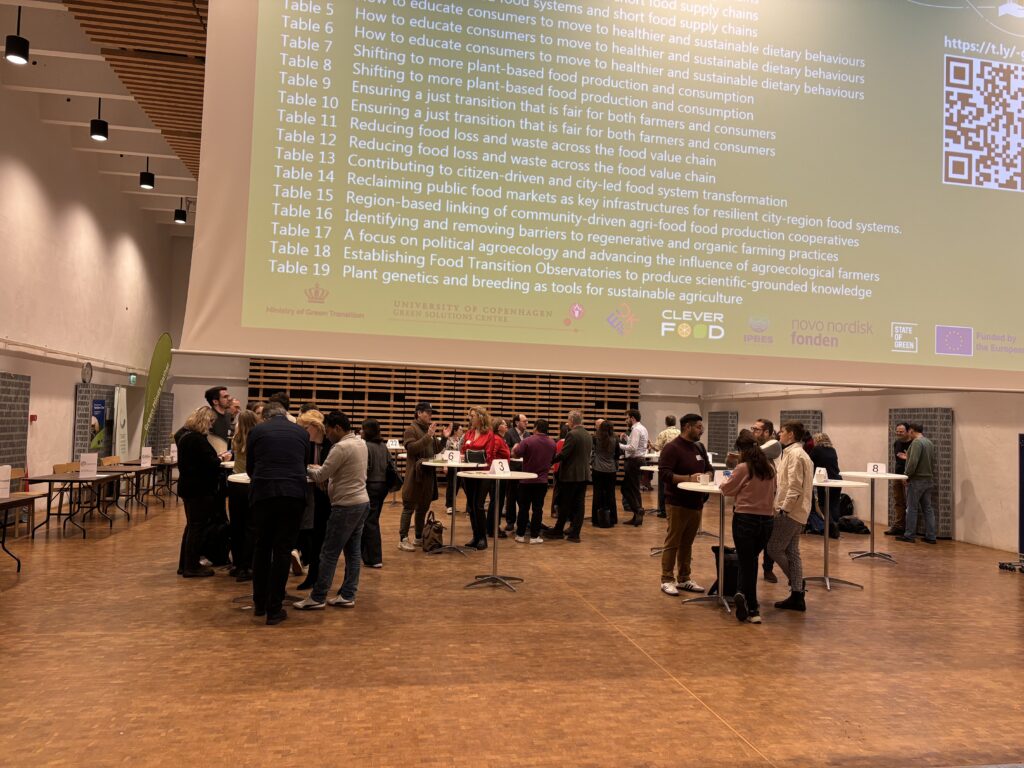
The final day featured an open space networking and matchmaking event, organised by the CLEVERFOOD project in collaboration with the University of Copenhagen’s Green Solutions Centre, the Danish Ministry for Higher Education and Research, and the Centre for Sustainable Agrifood Systems.
This event enabled participants to identify and discuss key themes across Horizon Europe Cluster 6 (Food, Bioeconomy, Natural Resources, Agriculture and Environment), building new connections through thematic matchmaking sessions.
Copenhagen became a place of exchange, debate and dialogue, threads woven together into a shared story: the story of a transformative food system capable of truly making a difference.