
Education tools for educators

Understanding the complexities of food systems, from production to consumption, empowers individuals to make informed choices that support environmental sustainability and public health. In our growing societies, learning about food systems becomes increasingly necessary.
The FOOD 2030 Science Education Toolkit is designed to support formal, non-formal, and informal educators in exploring our complex food systems. It covers a broad range of topics from planetary health to sustainable diets and new and emerging food technologies.
This toolkit gathers a wealth of resources coming from EU-funded projects & the FOOD 2030 Networks, European & national institutions and other reliable organisations. The resources are tailored to various educational settings and audiences. Educators can find materials to create interactive lessons, workshops, and activities that engage learners of all ages. For example, chefs can use these resources to teach sustainable cooking practices, demonstrating how to prepare meals that are both nutritious and environmentally friendly. They can also introduce concepts such as reducing food waste, choosing local and seasonal ingredients, and understanding food labels.
The six goals
Starting from six overarching objectives, the toolkit is designed to be flexible and adaptable, allowing educators to tailor the content to fit their specific needs and contexts.
Whether it’s a classroom teacher incorporating lessons into their curriculum, a community organiser planning a workshop, a parent looking for ways to explore food with their child, or a museum curator designing an exhibit, the FOOD 2030 Science Education Toolkit offers valuable resources to enhance their educational efforts and promote a more sustainable future.
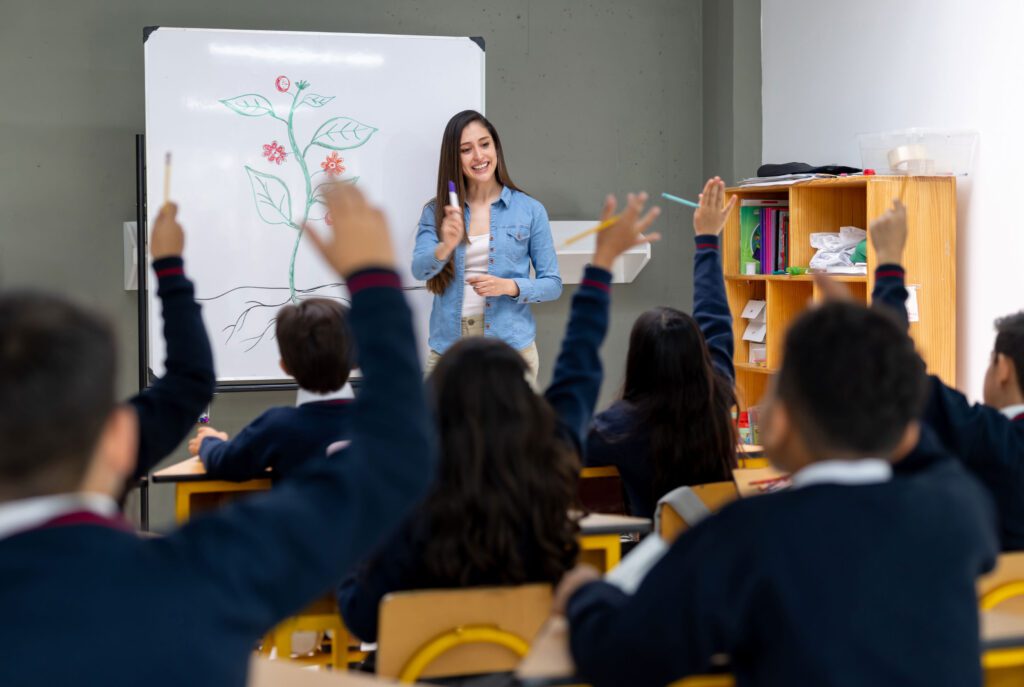
Raise awareness and mobilise
Knowledge is power, so we compiled resources supporting educators in raising awareness of the challenges posed by our modern food systems, and in rallying their public, inspiring them to take action.
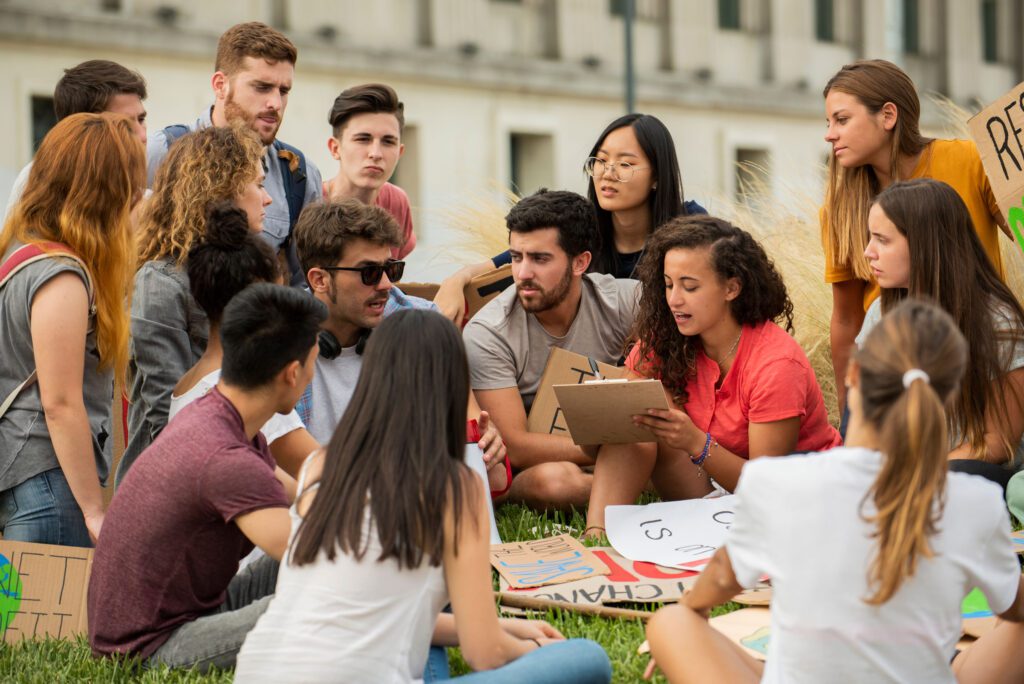
Make it fun
What better way of learning than by having fun? Here are some resources providing entertaining approaches & formats to food science education for different publics.
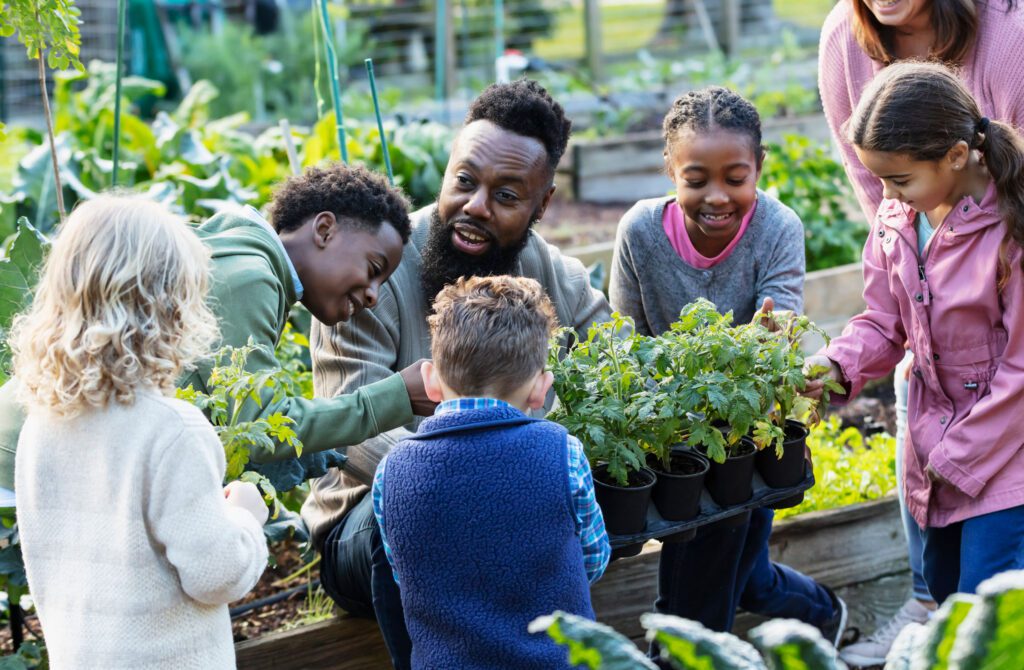
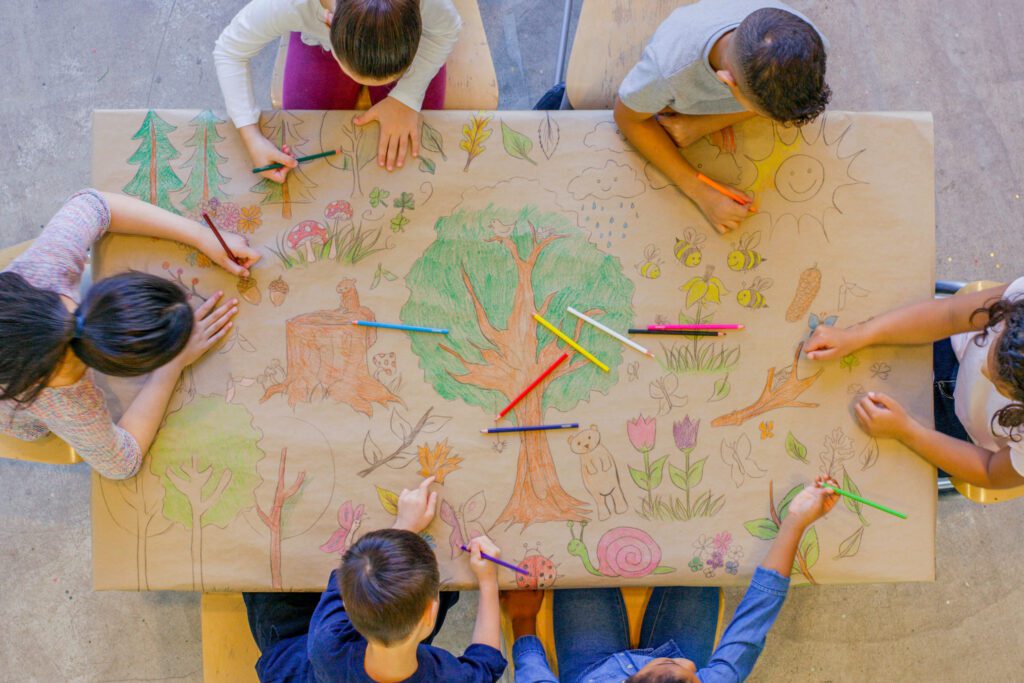
Teach practical skills
Theory is one thing, but food is very tangible! Find tools to teach cooking, gardening, and other practical skills to empower your public to actively take part in food system transformation.

Train the trainer
Educators too deserve access to quality training material when it comes to food science education. These tools help them unlock their skills and potential to support food system transformation.
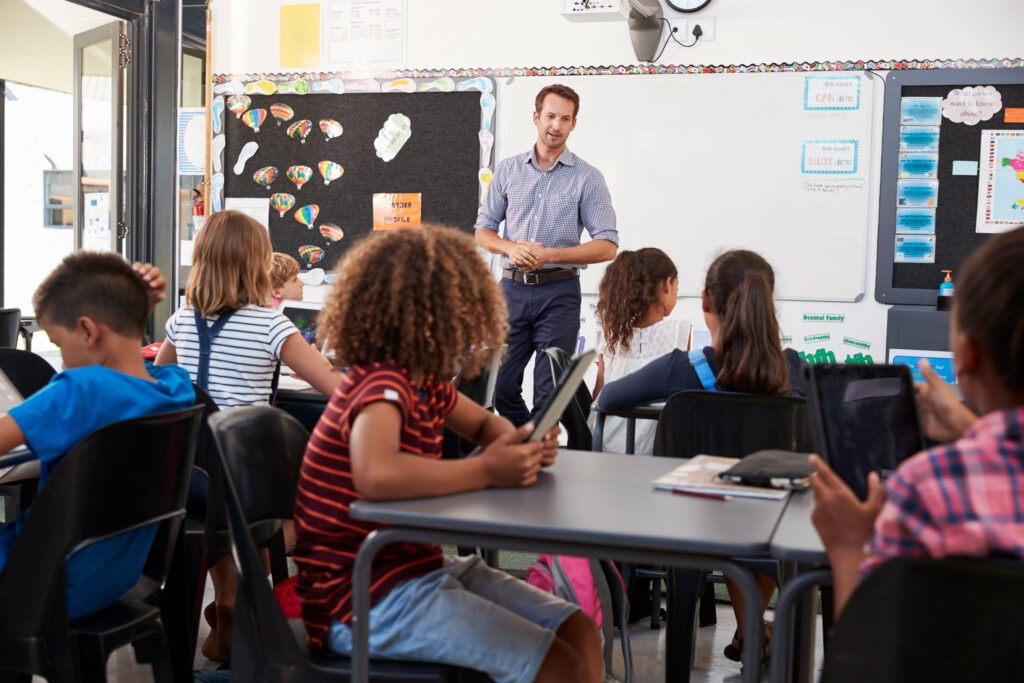
Explain my job or professional sector
Chefs, farmers, nutritionists, researchers… Not everybody identifies themselves as an educator, but might informally take on this role from time to time. Here are some resources to help you explain your job or sector to laymen.
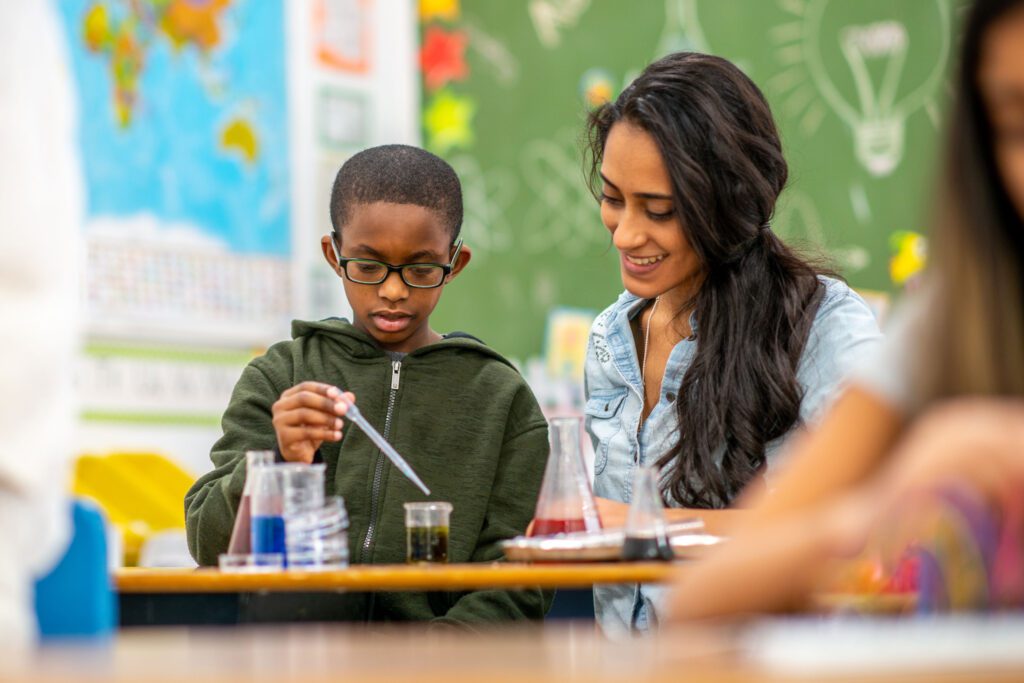
Do science together
Citizen science and participatory approaches can be powerful way to support education on food science, providing a different angle to research activities and empowering contributors from the general public.
Frequently Asked Questions
Who is this toolkit for?
This toolkit is intended for formal, non-formal, and informal educators who aim to inform about our complex food systems and their multifaced components. It caters to a wide range of educational settings and audiences, offering resources that can be adapted to various educational methods and learning environments. Whether educators come from schools, science centers, museums, restaurants, community organisations, or simply have a family, the toolkit provides valuable materials to support their efforts in educating others about the importance of sustainable food practices.
How to use this toolkit?
The toolkit is structured to facilitate easy navigation. It begins with six overarching objectives, ranging from making learning enjoyable to inspiring action. Users can explore resources aligned with their specific objectives. Additionally, an advanced tool search feature allows for tailored exploration based on audience, format, language, topic, and more.
How did we make this toolkit?
This toolkit is the result of a collaboration between the CLEVERFOOD project partners & the FOOD 2030 Project Collaboration Network’s group on education and citizen science. The format & structure were co-designed with them, and they contributed to the mapping & selection of the resources available in this toolkit. As educational resources emerge from the FOOD 2030 Project Collaboration Network all the time, this toolkit follows an iterative process: you can expect to find new resources if you visit it frequently.
How can you contribute?
The FOOD 2030 Science Education Toolkit will continuously incorporate new tools and resources emerging in the field of food education. If you’re aware of any open-access resources or have developed tools focusing on various aspects of food systems, we encourage you to share them with us. Your contributions can help enrich the toolkit and benefit educators and learners worldwide. Please don’t hesitate to reach out to cboissenin@ecsite.eu with your suggestions.
If you would like to contribute, consider registering in the Sustainable Food System Network (SFSN) – an open network for stakeholders across the food system to connect, share knowledge, and collaborate. This community welcomes anyone with expertise or interest in advancing sustainable food systems.